
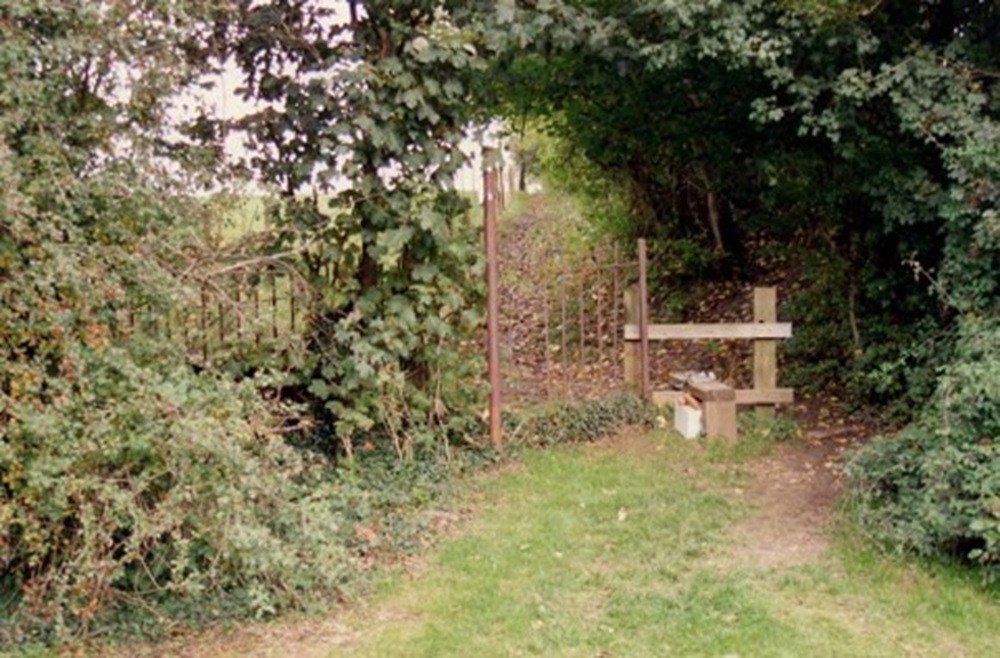
The OPEN SPACES SOCIETY, Britain’s oldest national conservation body, has published its guidance to local authorities, land managers, and rights-of-way volunteers, on the provision of EASY ACCESS to paths and countryside. The information sheet aims to help those who share the society’s goal of reducing unnecessary and undesirable structures from our public paths.
Too often the way is barred or made difficult for many by a redundant stile or one with missing or too-high steps causing an obstruction for less agile users. Such structures require written authorisation by the highway authority but frequently are erected without permission or remain long after the livestock has been removed and they have become unnecessary.

The guidance gives a step-by-step approach to identifying structures, considering their need, establishing their status, dealing with unlawful structures and using the British Standard 5709 in replacement and modified structures. It provides illustrated examples of good and bad practice and emphasises the importance of choosing the least-restrictive option. It is essential reading for anyone involved in making path more accessible to all legitimate users.
The society’s trustee and local correspondent in Hertfordshire, Chris Beney, inspired the paper and wrote much of it. Beney has spent decades working on path accessibility and he chaired the British Standard working party for path structures for 15 years.

He said, ‘Until we have legally-enforceable national standards for paths and path furniture we may have to approach the improvement of local paths in a variety of ways. I hope this information sheet will help people find some ways to purge their local paths of pointless paraphernalia.’
Header pic: Bushey footpath 12, off Finch Lane, Herts with unlawful stile.
 Traynor On The Trail