
Today, 1 January 2026, marks the centenary of landmark legislation which, for the first time, created a right to walk and ride on significant areas of common land(1) in town and country. The introduction of this law was largely thanks to the OPEN SPACES SOCIETY (then the Commons and Footpaths Preservation Society). Founded in 1865, it’s Britain’s oldest national conservation body. It campaigns to protect common land, village greens, open spaces, and public paths, and people’s right to enjoy them.
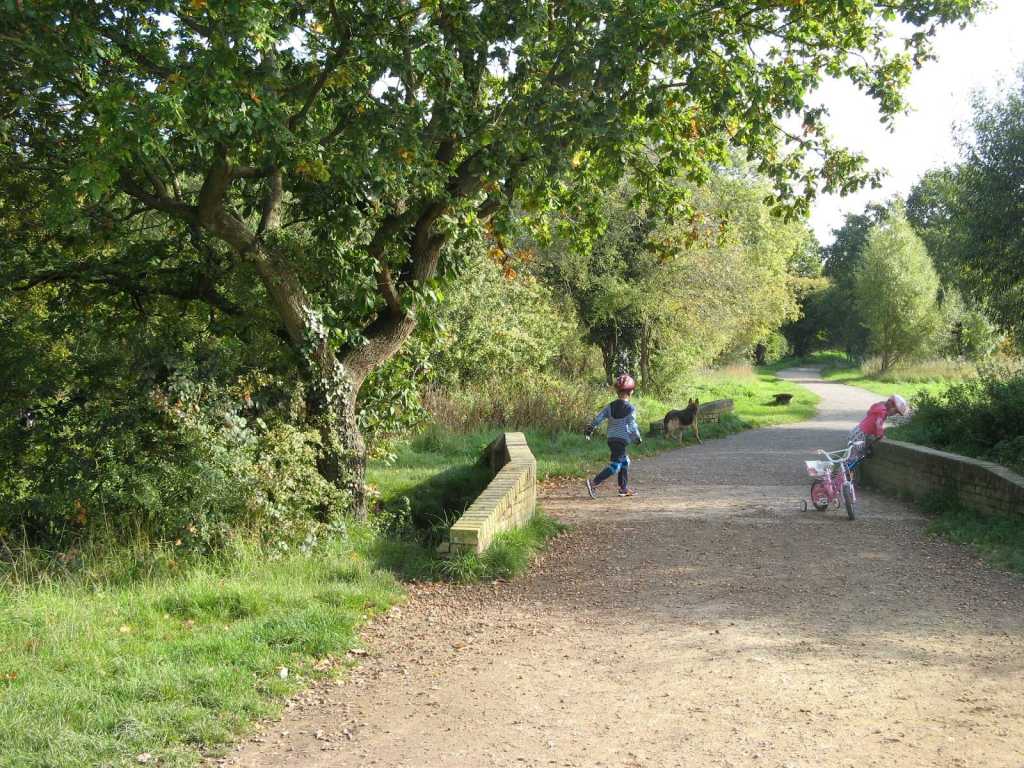
On this day 100 years ago section 193 of the Law of Property Act 1925 came into effect in England and Wales. It granted the public ‘rights of access for air and exercise’ to metropolitan commons(2) and commons in a former borough or urban district, about one-third of the total area of common land (ie about half a million acres).
Some of the old urban districts were very extensive and included many rural commons. Thus, people were granted rights to wild, mountainous commons, such as Langdale Fell and Grasmere Common in the Lake District, because they happened to lie in the former Lakes Urban District.
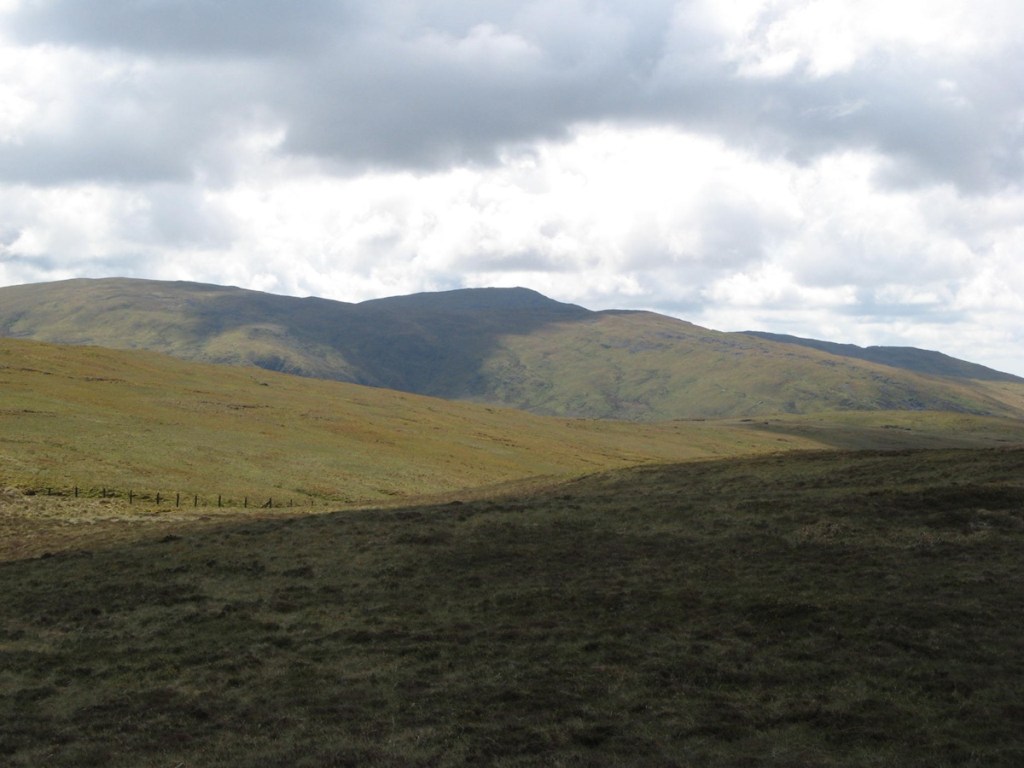
The Act also enabled landowners to dedicate a revocable or irrevocable right of public access over other commons. By 1963 there were deeds covering 187 square miles. About 100 square miles of these are the commons in Wales dedicated, on the Open Spaces Society’s initiative, by the Crown Estate Commissioners in 1932. These cover a wide variety of landscapes, such as 2,000 acres on Pumlumon (Plynlimon) on the border of Ceredigion and Powys, and 2,000 acres at Penmaenmawr on the Gwynedd coast.
In 1998 the right to ride on section 193 commons was confirmed in the high court(3). In 2000 the Countryside and Rights of Way Act provided a right to walk on all remaining commons, but the section 193 right endures.
The Open Spaces Society became involved in the Law of Property Act’s long passage through parliament because it feared the Act would lead to the enclosure of commons.
Kate Ashbrook, the society’s general secretary, said, “The society is proud to have secured rights to walk and ride on many urban and rural commons a century ago. The Law of Property Act’s provisions were just one milestone in our long 160-year history. We continue to campaign for better protection of commons for their many vital qualities, offering public recreation, a livelihood for those with common rights, a sense of history, fine habitats for wildlife, and splendid landscapes.”
Header pic: Plynlimon Common on the Ceredigion/Powys border.
Notes
- Common land is land subject to, or formerly subject to, rights of common – to graze animals or collect wood, for instance – or waste land of the manor not subject to rights. There are approximately 1.5m acres of common land in England and Wales.
- Metropolitan commons are those in the former Metropolitan Police District (roughly a radius of 15 miles from Charing Cross).

